

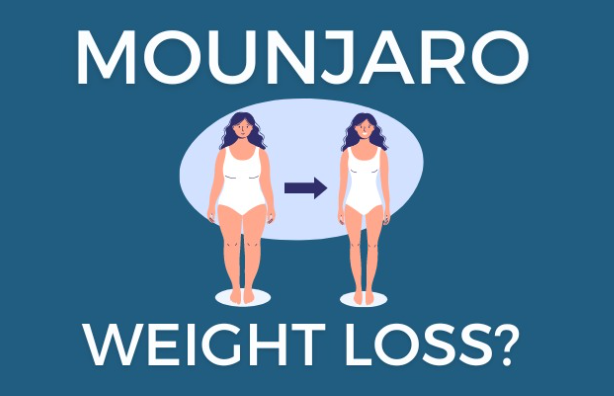
Mounjaro® (tirzepatide) is a medication originally approved by the FDA to help adults with type 2 diabetes improve blood sugar control. Over time, it has gained significant attention for its effects on weight management, leading many people to explore whether it may be appropriate for their health goals through a qualified healthcare provider.
This guide breaks down what Mounjaro is, how it works, potential benefits, side effects, who may qualify, and what to expect if you’re considering a consultation.
What Is Mounjaro?
Mounjaro is a once-weekly injectable medication that activates two hormone pathways in the body:
GLP-1 (glucagon-like peptide-1)
GIP (glucose-dependent insulinotropic polypeptide)
These hormones regulate appetite, digestion, blood sugar, and satiety.
Because Mounjaro works on both pathways, it is often referred to as a dual agonist.
How Mounjaro Works
Mounjaro’s effects come from mimicking natural hormones that your body uses to regulate:
✔ Appetite
Helps you feel fuller sooner and stay full longer.
✔ Digestion
Slows gastric emptying, which often reduces overeating or snacking.
✔ Blood Sugar Levels
Improves insulin sensitivity and reduces blood glucose spikes after meals.
✔ Energy Regulation
Many patients report fewer cravings and more stable energy throughout the day.
Potential Benefits
People prescribed Mounjaro by a clinician may experience:
-
Reduced appetite or cravings
-
Improved blood glucose regulation
-
Support with long-term lifestyle changes
-
Increased satiety after meals
Everyone responds differently, and results vary based on factors like dosage, habits, and metabolism.
Possible Side Effects
Like any prescription medication, Mounjaro may cause side effects.
The most commonly reported include:
-
Nausea
-
Digestive discomfort
-
Diarrhea or constipation
-
Reduced appetite
-
Injection-site reactions
These effects are often temporary and tend to decrease as your body adjusts. Always discuss concerns with your prescribing provider.
Who May Be Eligible?
A healthcare provider will evaluate whether Mounjaro is appropriate. Eligibility is often based on:
-
A history of type 2 diabetes, or
-
A need for medical weight-management support, combined with
-
A review of medical history, medications, and overall health
A licensed clinician (MD, NP, PA) must determine if it’s safe for you.
What to Expect From a Consultation
During a medical evaluation, a provider will typically:
-
Review your health history
-
Discuss your goals
-
Evaluate lab results if needed
-
Explain treatment options
-
Determine whether a GLP-1/GIP medication is appropriate
-
Give dosage and lifestyle guidance
This process ensures that any prescription—Mounjaro or alternative—is safe and tailored to you.
Tips for Supporting Results
Although medication is one part of a clinical plan, providers often recommend:
-
Balanced nutrition (especially adequate protein)
-
Hydration
-
Regular movement or exercise
-
Sleep and stress management
Healthy habits help your body respond better over time.
When to Seek Medical Advice
Contact a clinician if you experience:
-
Persistent or severe side effects
-
Symptoms of allergic reaction
-
Concerns about dosage or administration
-
Any sudden or unusual health changes
Your provider can make adjustments or suggest alternatives.
Why not speak to our pharmacist Dane, for FREE, to ask any questions that may be hindering your decision.